August 4, 2026 · 5 min read
What Makes Excavation Eco-Friendly (and Less Messy)
Right-sized equipment, protected turf and less hauling. How small-machine excavation lowers the impact on your property.
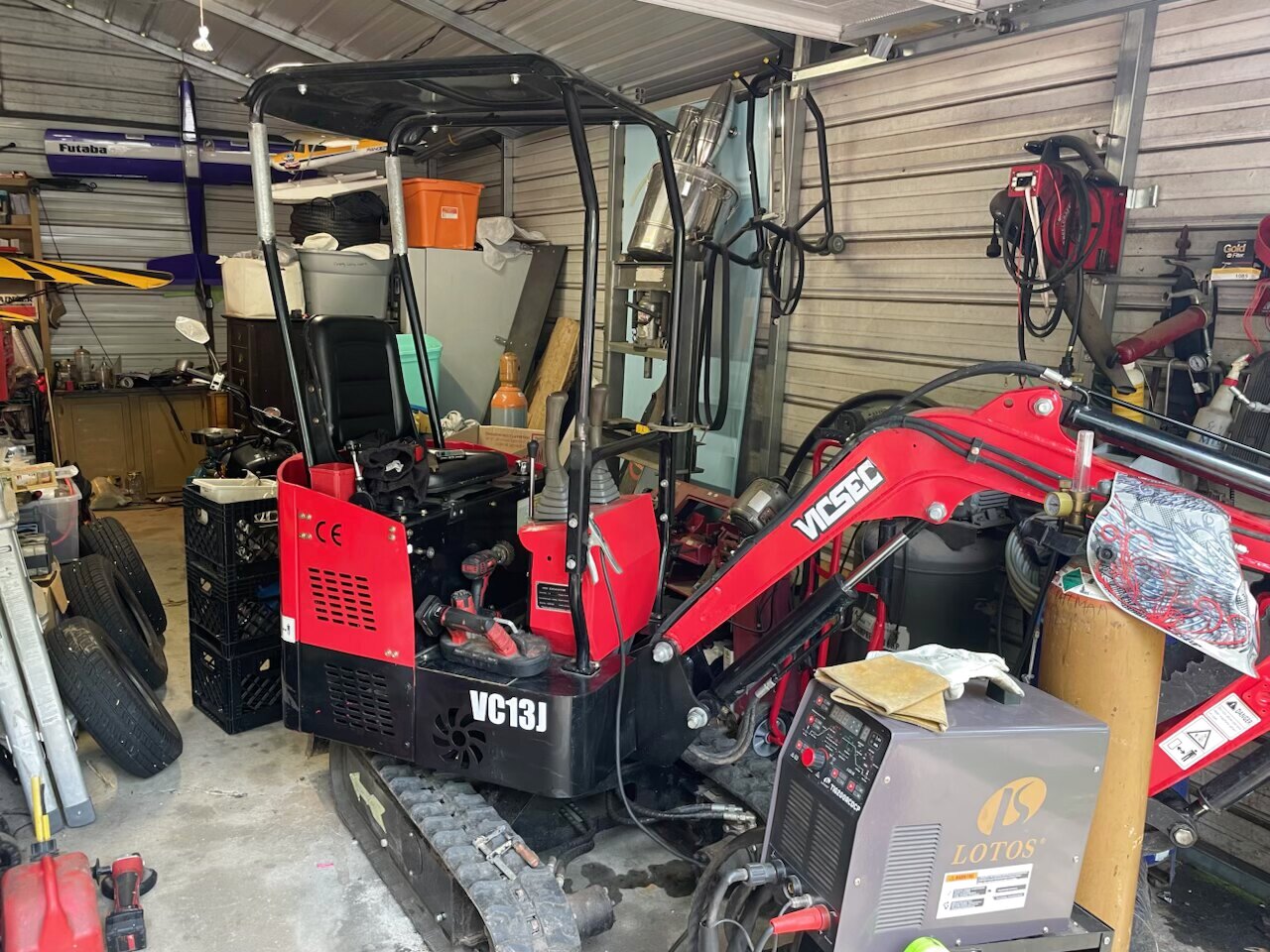
On most residential jobs, the damage does not come from the hole — it comes from getting to the hole. A full-size machine and tandem dump truck have to cross the lawn, swing over the fence line and park on the driveway. Sizing the equipment to the job avoids most of that.
Right-sized machines instead of the biggest available
A compact excavator weighs a fraction of a standard one and spreads its weight over rubber tracks. That means less compaction in the root zone of your trees, fewer ruts to repair and no need to remove a section of fence to get in the back yard.
Less compaction means the yard actually recovers
Compacted soil does not drain and does not grow grass. Once it is squeezed, fixing it means tilling and amending — extra work you paid for twice. Keeping heavy weight off the turf in the first place is the cheaper path.
Reusing spoil on site
Every load of dirt trucked off site is fuel burned twice: once to haul it away, once to bring fill back. Where the soil is clean and suitable, we backfill and shape with it on site instead of exporting it.
Protecting what is already there
- Plywood or mats over driveways and sensitive turf at access points
- Careful hand work around tree roots, sprinkler lines and utilities
- Sod cut and set aside where it can be laid back down
- Trenches backfilled in lifts so they do not settle into a scar
Fewer surprises on the invoice, too
Low-impact work is not just an environmental story. Turf repair, driveway patching and hauled-in fill are all real line items. Avoiding them is usually the difference between a job that looks finished and one that needs a landscaper afterward.
Keep reading
- 5 Signs Your Yard Needs a French Drain
Standing water, soggy spots and a damp crawl space are all drainage symptoms. Here is how to tell when a french drain is the fix.
- Trenching for Utility Lines: What to Expect
Water, electrical, gas and irrigation trenching from locate call to backfill — depths, timelines and how to prepare your site.
- ADU Site Prep: A Practical Checklist Before the Slab
Access, grading, utilities and drainage. The excavation work an accessory dwelling unit needs before any concrete is poured.