July 15, 2026 · 5 min read
ADU Site Prep: A Practical Checklist Before the Slab
Access, grading, utilities and drainage. The excavation work an accessory dwelling unit needs before any concrete is poured.
Accessory dwelling units — a garage apartment, a backyard cottage, a converted shop — go up fast once the pad is right. The excavation stage is where most of the schedule risk lives, because it is the part that touches permits, utilities and your neighbor's fence line.
Confirm what you are allowed to build first
Setbacks, lot coverage, height limits and whether a separate utility meter is required are all local. Check with your city or county planning office before spending money on dirt work — the answer often changes where the pad goes.
Access is the make-or-break item
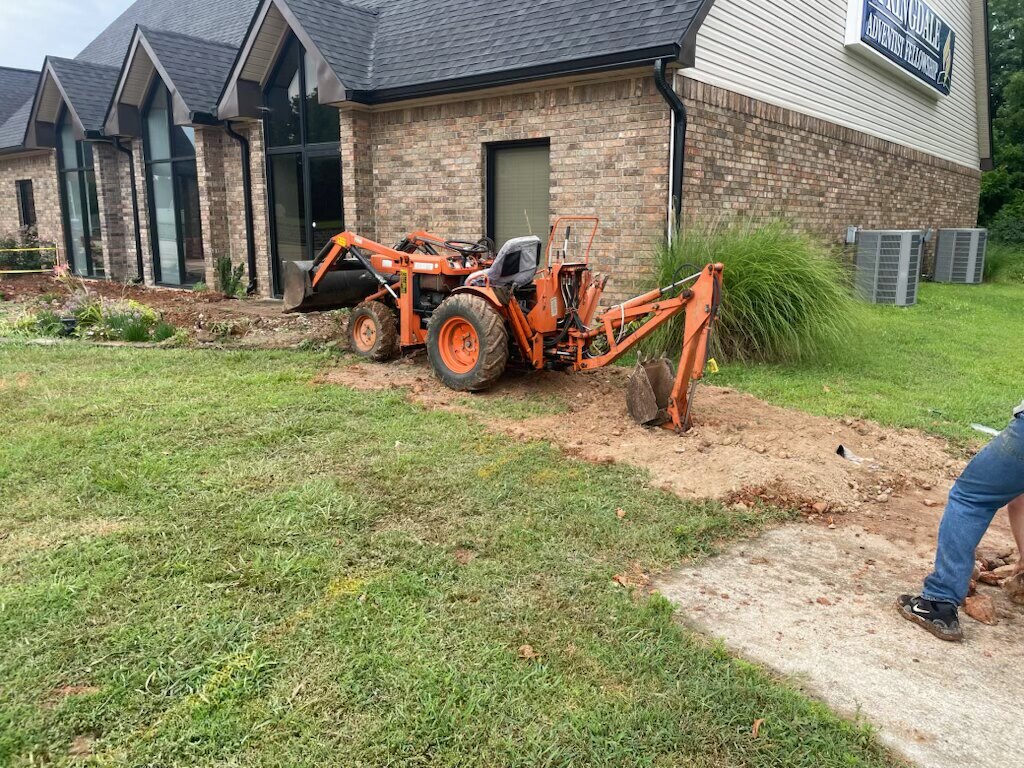
A back yard reached only through a 36-inch gate rules out most conventional equipment. This is exactly where compact machines earn their keep: we can get in, dig, and get out without removing fence panels or driving across the lawn.
The dirt-work checklist
- Clear and grub the footprint: brush, stumps, old slabs and buried debris
- Strip topsoil and stockpile it for later landscaping instead of hauling it off
- Rough grade and compact the pad, with fall away from both the ADU and the main house
- Excavate footings and trenches to the engineer's or plan's dimensions
- Trench for water, sewer or septic tie-in, electrical and any gas or data lines
- Plan drainage now: downspout lines, a french drain if the site collects water, and a real outlet for both
- Rough in the walkway, parking pad or driveway base while the machine is already on site
Do the utility trenching in one visit
Water, sewer and power often follow similar routes. Coordinating them into as few trenches as the code allows means one mobilization, one round of backfill and one repair to your yard rather than three.
Drainage is not a finishing touch
A new roof and a new slab both create runoff that did not exist before. Deciding where that water goes before the pad is poured is cheap; retrofitting a drain around a finished building is not.
If you are in the planning stage, we are happy to walk the site with you and your builder and flag anything that will affect the excavation scope.
Keep reading
- 5 Signs Your Yard Needs a French Drain
Standing water, soggy spots and a damp crawl space are all drainage symptoms. Here is how to tell when a french drain is the fix.
- What Makes Excavation Eco-Friendly (and Less Messy)
Right-sized equipment, protected turf and less hauling. How small-machine excavation lowers the impact on your property.
- Trenching for Utility Lines: What to Expect
Water, electrical, gas and irrigation trenching from locate call to backfill — depths, timelines and how to prepare your site.